Gate Motor Servicing & Maintenance in Zimbabwe
Inspection and maintenance checks for the physical gate, motor operation, batteries, power, controls, limits and relevant automation components.
Gate motor servicing is intended to identify wear, changing resistance and control issues before they become a complete access failure. It is different from a repair visit prompted by a system that has already stopped working.
Useful maintenance considers the complete entrance. A healthy motor can still be strained by tight wheels, damaged track, worn hinges, poor alignment or a gate that no longer follows its intended path.
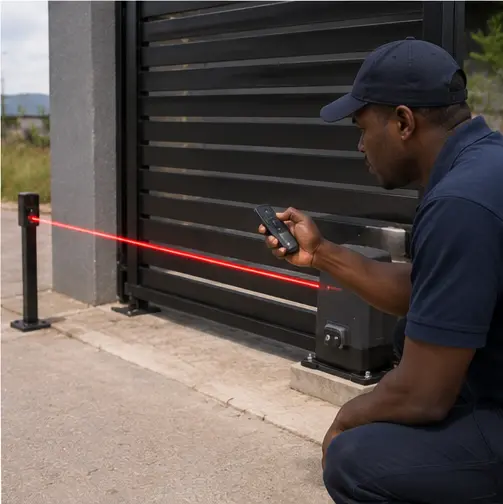
Why Gate Motors Require Periodic Servicing
Every opening cycle depends on mechanical movement, electrical supply and control inputs working together. Conditions change gradually: wheels wear, hinges develop play, tracks collect debris, alignment shifts and batteries lose capacity.
Reduce Avoidable Motor Strain
Finding increased resistance early can prevent the operator from repeatedly working against a gate that has become difficult to move.
Identify Wear Before Failure
Visual and movement checks can reveal developing wheel, hinge, rack, bracket, battery or connection problems before access is lost.
Keep Controls Predictable
Remotes, receivers, limit behaviour and relevant safety inputs can be observed through a complete cycle to identify inconsistent operation.
What Gate Motor Servicing May Include
The exact work depends on the gate type, operator and visible condition. Servicing should follow the system that is installed rather than applying the same checklist blindly to every entrance.
- Manual gate movement, resistance and consistency across the travel
- Sliding-gate wheels, track, rack contact, stops and alignment
- Swing-gate hinges, posts, brackets, arms and leaf alignment
- Motor mounting, drive engagement and signs of abnormal strain
- Battery condition, charging and power behaviour
- Remote, receiver and control response
- Open and close limits plus relevant safety inputs where fitted
- Visible cabling, enclosures and automation components without unsafe live work
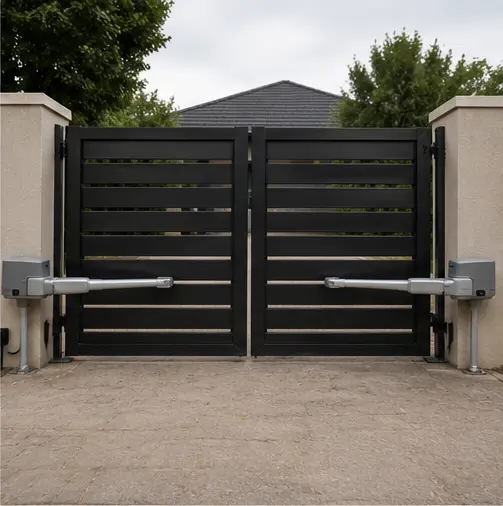
Wheels, Hinges, Tracks and Gate Alignment
The motor cannot compensate indefinitely for a gate that is no longer moving correctly. Mechanical condition is therefore central to preventative gate automation maintenance.
Sliding Gate Movement
The gate should travel consistently along its track. Wheel condition, track damage, rack position, end stops and the change in resistance across the full opening are relevant.
Swing Gate Movement
Hinges, posts, leaf alignment, brackets, operator arms and opening stops affect motor load and the geometry of the complete cycle.
Alignment and Structural Change
Ground movement, impact or normal wear can alter the path of a gate. New resistance should be investigated before limit or force settings are changed.
Motor Operation, Batteries, Power and Controls
A service assessment observes the operator through normal movement and looks for changes in sound, speed, starting behaviour and load. Battery performance should be considered during operation, not only while the system is idle.
Remote and control checks confirm that commands are received consistently. Limit behaviour is reviewed at the normal open and closed positions, while relevant safety equipment is observed without bypassing or defeating it.
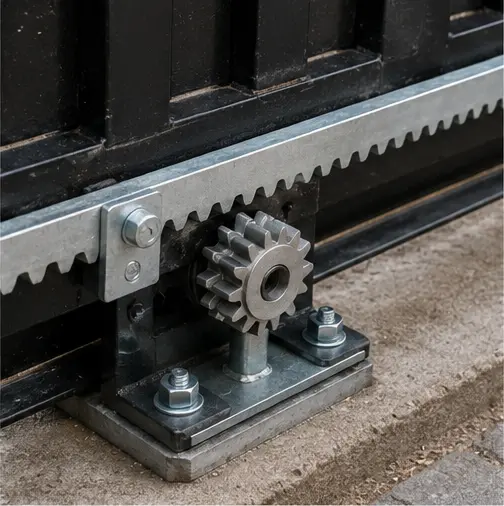
When an Automatic Gate Should Be Checked
A maintenance check is particularly useful when operation has changed, even if the gate still completes most cycles.
Gate Motor Servicing Versus Gate Motor Repairs
Servicing and repairs are related but serve different customer needs.
Servicing and Maintenance
Choose servicing when the gate is operating but needs preventative inspection, movement checks, battery review, control checks or attention to early warning signs.
Fault Finding and Repairs
Choose repairs when the gate will not open or close, stops halfway, runs without moving, behaves unpredictably or has another active fault.
Installation and Replacement
Choose installation when a suitable gate needs a new automation system or an assessed existing operator is no longer appropriate for the entrance.
A Practical Gate Motor Maintenance Sequence
Record Current Behaviour
Note changes in sound, speed, remote response, backup operation or where resistance appears.
Inspect the Physical Gate
Review wheels or hinges, track, rack, posts, brackets, alignment, stops and the movement path.
Observe Motor Operation
Follow a normal cycle and consider load, drive engagement, mounting and unusual movement.
Review Power and Controls
Check battery behaviour, charging, supply, remotes, receiver response, limits and relevant inputs.
Identify Maintenance Needs
Separate routine adjustment or maintenance from active faults that require repair work.
Confirm the Completed Cycle
After approved maintenance, observe consistent opening and closing without bypassing safety functions.
Service Timing Depends on the Gate and Its Use
There is no single interval that suits every residential, commercial or industrial entrance. Gate weight, daily cycles, environmental exposure, battery age and mechanical condition all affect maintenance needs.
After a Change in Behaviour
Arrange a check when movement, sound, speed, limits or remote response changes, even if the system still operates.
After Impact or Alignment Change
A struck gate, damaged track, shifted post or new resistance should be assessed before normal automation continues.
As Preventative Care
Periodic inspection can be planned around the entrance’s condition and workload rather than waiting for complete failure.
Gate Motor Servicing Questions
Does servicing fix an automatic gate that has already stopped working?
A stopped or broken system usually needs fault finding and repair. Servicing is primarily preventative, although an inspection may identify a repair that should be completed before maintenance continues.
Why check the gate if the motor still works?
The motor load depends on the gate moving freely. Worn wheels, hinges, poor alignment or damaged track can strain a working operator and contribute to later faults.
Are batteries included in gate motor maintenance checks?
Battery condition, charging and performance during operation may be reviewed because backup and starting behaviour can change as batteries age.
Can limits simply be reset if the gate stops in the wrong place?
Limit changes should follow a mechanical and control assessment. Resetting limits without understanding new resistance or a sensing problem can hide the cause.
Do sliding and swing gates need the same maintenance?
They share power and control checks, but their mechanical needs differ. Sliding systems depend on wheels, track and rack contact; swing systems depend on hinges, posts, brackets and arm geometry.
What should I provide when requesting servicing?
Share the property location, gate type, any changes you have noticed and clear photographs of the gate and operator where practical.
Request a Gate Motor Service Assessment
Contact Garage Door & Gate Motor Company for preventative checks covering gate movement, motor operation, batteries, power, remotes, controls, limits and relevant automation components.